
Checking Georgetown County Criminal History
A useful Georgetown County criminal record search starts with the kind of event involved. The Georgetown Public Index is the free first stop for filed cases. The Georgetown County Sheriff holds reports created by county deputies and booking material from the Detention Center. A municipal police report stays with that city department. SLED CATCH supplies the official South Carolina name-based criminal-history product, but it does not reproduce each local report or court document.
Collect the full name, possible prior names, an approximate date, and the agency or court if known. A date range can separate people with a common surname. Read each charge on its own because one case may contain a dismissal, a conviction, and a pending count at the same time.
- Search the Georgetown Public Index by party name, case number, or a narrow date range.
- Open the case detail and compare court, filing date, charge, and status before treating the match as relevant.
- Ask the arresting agency for its incident or arrest report and the Detention Center for booking information.
- Request older, missing, or certified court material from the exact clerk that heard the case.
- Use SLED CATCH when the question calls for a South Carolina statewide name check.
The Georgetown County portal supports several search routes. Start broad only when the name is uncommon, then narrow the result list with the court or filing window. A case-number search is more precise when the number already appears on a notice, bond paper, or prior docket entry.
| Public Index control | Use in a Georgetown County search |
|---|---|
| Last or business name | Required for the party route; try spelling and prior-name variants |
| First and middle name | Narrows common surnames and helps distinguish possible matches |
| Case number | Runs the direct route when the court-formatted number is known |
| Court agency or case type | Separates General Sessions from other indexed Georgetown County records |
| Beginning and ending dates | Limits the filing window and reduces unrelated results |
The result is an index. Some document images, older material, and fresh events may not appear online. When the Georgetown County docket names a filing but does not display it, note the case number and ask the proper clerk for inspection or a copy.
Four Georgetown Criminal Record Sources
The phrase criminal history often blends four files that Georgetown County keeps apart. An incident report describes the officer's investigation. A booking record shows intake, initial charges, bond, and release data. A court file tracks charges actually prosecuted, hearings, motions, outcomes, and sentence. A SLED history compiles fingerprint-linked South Carolina arrest cycles and reported dispositions.
| Source | Best use | Main limit |
|---|---|---|
| Police or sheriff report | Incident facts and agency action | Does not give the final court result |
| Detention booking | Custody, bond, and release | Initial charges may later change |
| Court case file | Filed charges and disposition | Not a statewide identity report |
| SLED history | South Carolina name-based check | Depends on fingerprint and disposition reporting |
For a careful self-review, compare more than one source. A mismatch should be raised with the office that originated the item, backed by a certified disposition when the court outcome is at issue.
South Carolina Official Background Checks
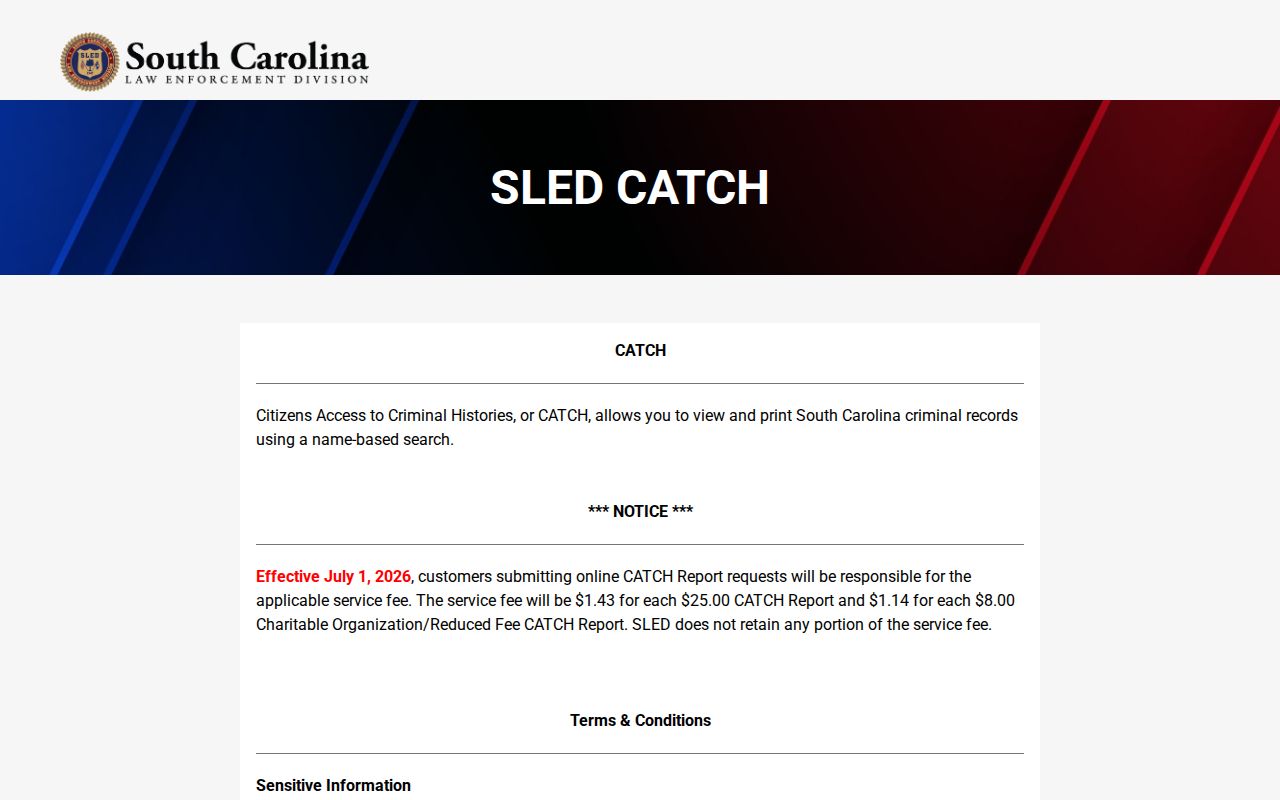
The South Carolina Law Enforcement Division Criminal Justice Information Services unit maintains the central state repository. Its public product, SLED CATCH, provides a South Carolina name-based check for $25. A qualifying charitable organization may use an $8 rate with the required documents. The portal announced that, from July 1, 2026, online service charges are $1.43 for a $25 report and $1.14 for an $8 report. Older fee text remained visible, so confirm the checkout total.
The official SLED CATCH screen shows where a Georgetown County statewide search begins.
This product covers records reported by South Carolina state and local agencies. It is not an FBI report and does not replace the Georgetown court file.
| Method | Base fee | Scope |
|---|---|---|
| SLED CATCH online | $25 plus current service charge | South Carolina name-based history |
| SLED mail form | $25 | Same state-only scope without online fee |
| Qualifying charity | $8 plus online charge if used | Reduced statutory channel |
| FBI Identity History Summary | $18 | Subject-only federal identity history |
Fingerprints Shape Georgetown History Results
A name match is useful, but fingerprints connect an arrest cycle to a specific identity. SLED reported in 2025 that a charge without submitted fingerprints may never enter the state repository. Its review of direct indictments found that only seven percent in the reviewed period had reached the repository, largely because most subjects had not been fingerprinted again. That finding explains why a Georgetown County Public Index case can exist even when SLED CATCH does not show the same event.
The IdentoGO South Carolina location service handles appointment-based fingerprint capture for eligible processes.

SLED also accepts fingerprint cards for appropriate review or statutory channels. Local law enforcement may offer ink-card service, but availability and capture fees should be confirmed before travel.
Criminal Record Types
Georgetown County agencies create records at different steps. The investigating office writes an incident report. The arresting agency records the custody event, while Detention staff create the booking entry. General Sessions, Magistrate, and Municipal courts build separate dockets within their jurisdiction. SLED receives qualifying arrest and disposition data, SCDC tracks state prison custody, and SCDPPPS manages probation and parole supervision.
- Incident and arrest files: request them from the sheriff, city police, or other investigating agency.
- Booking data: check the Georgetown County Sheriff Booking and Release interface or contact the Detention Center.
- Court files: use General Sessions for felony-level matters and the exact summary court for its cases.
- Warrants: confirm with the issuing court or GCSO because no verified countywide public warrant list was found.
- Custody and supervision: use SCDC for state prison and SCDPPPS for current community supervision.
Georgetown Court Files at Cleland Street
The Georgetown County Judicial Center at 401 Cleland Street holds the Clerk of Court, General Sessions, the Solicitor, and other court offices. Public counter research runs from 8:30 a.m. to 4:45 p.m. Copies cost $0.25 per page, and certification costs $1. The clerk does not perform a background check. A visitor researches the file personally or sends someone to do it.
Do not confuse that office with the Historic Courthouse at 129 Screven Street. The historic building houses general county functions, not the General Sessions file counter. For court dates, the county routes callers to the Fifteenth Circuit Solicitor at 843-545-3169. Full guidance on dockets, filings, and disposition records appears in the Georgetown County criminal court cases resource.
Clerk of Court
401 Cleland St.
Georgetown, SC 29440
843-545-3047
Case inspection and copies
Sheriff's Office
430 N. Fraser St.
Georgetown, SC 29440
843-546-5102
Weekdays, 8 a.m. to 5 p.m.
Detention Center
2394 Browns Ferry Rd.
Georgetown, SC 29440
843-545-3400
Booking and custody questions
Inside a Georgetown County Criminal Record
The useful fields depend on the source. Identity data may include a legal name, aliases, date of birth, descriptive traits, and state or FBI identifiers. Arrest segments can name the agency, date, initial charge, and tracking code. Court entries add the filed charge, events, plea, disposition, and sentence. Public views remove protected identifiers and information about victims or minors.
| Name and identifiers | Legal name, aliases, date of birth, and identity numbers where release is allowed |
|---|---|
| Arrest or booking | Agency, date, charge at intake, bond, custody, and release when reported |
| Charges and statutes | Offense description, code, level, and separate status for each count |
| Disposition | Pending, dismissed, nolle prosequi, acquitted, or convicted outcome |
| Sentence | Custody, probation, fines, restitution, and related terms when entered |
| Supervision | SCDC custody or SCDPPPS probation and parole status through separate systems |
- Nolle prosequi
- The prosecutor chose not to continue that charge at that time.
- Disposition
- The recorded result for a charge or case.
- Bench warrant
- Court process often tied to failure to appear or obey an order.
- Expungement
- A statutory route that removes eligible records from ordinary public access.
Georgetown Custody and Supervision Searches
A county jail stay, a state prison sentence, and community supervision are separate records. The SCDC Incarcerated Inmate Search covers current state prisoners and is updated to the prior midnight. It excludes county inmates, released people, juveniles, community supervision, and current SCDC fugitives.
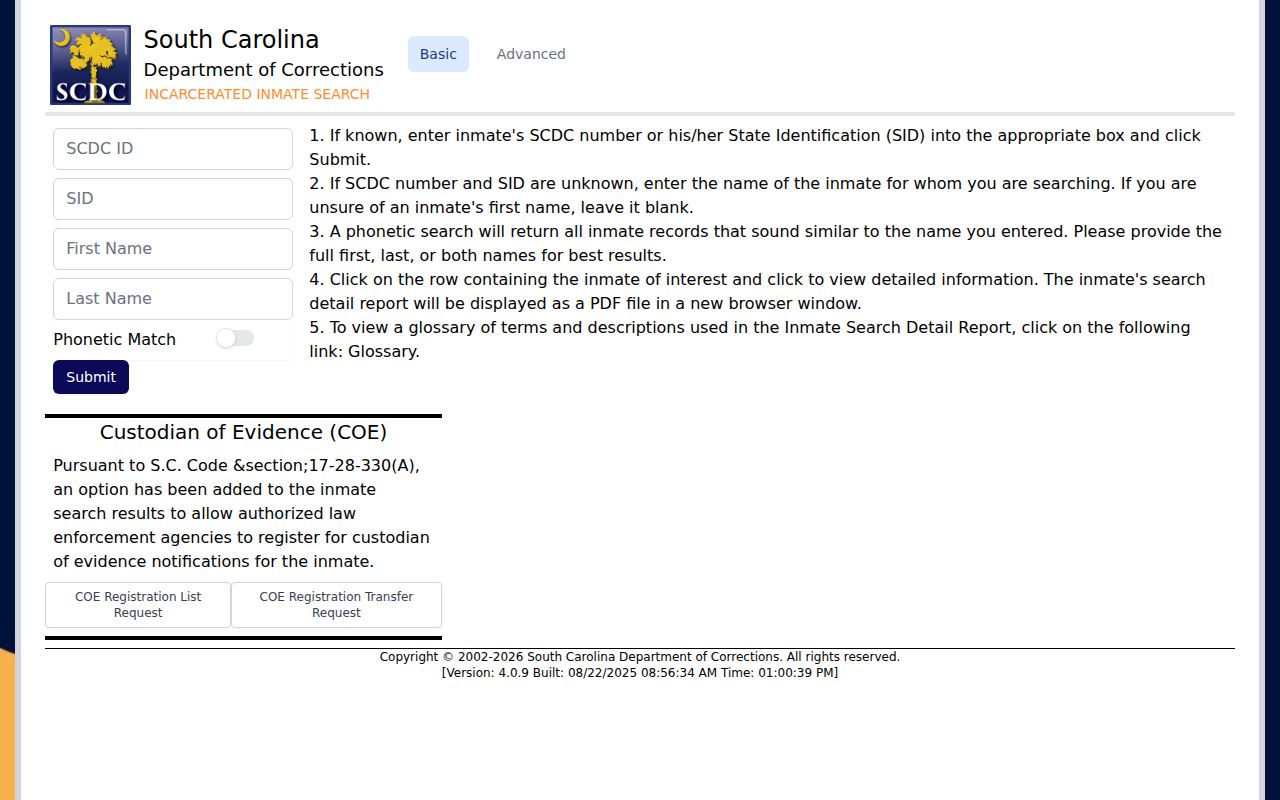
Results can show an SCDC ID, institution, photograph, and dorm-room-bunk information. For a recent Georgetown County booking, use the sheriff's booking channel instead.
The South Carolina Department of Probation, Parole and Pardon Services provides a separate offender search for community supervision.
SCDPPPS data reflects the previous day. Current-day status should be checked with county supervision staff, while the sentence itself should be verified in the court file.
The supervision search accepts several valid combinations: first and last name, a name with year of birth, county with a name, or a state identification number. People who are no longer supervised may not appear. A missing SCDPPPS result therefore cannot erase an older Georgetown County sentence, just as an SCDC result cannot describe probation. Keep the court judgment as the source for what the judge ordered.
Public Access Laws in South Carolina
The South Carolina Freedom of Information Act gives a route to inspect or receive public records, subject to specific exemptions. A focused request should name the office, incident or case, date range, people involved, and desired format. Ask for segregable public parts if privacy or active-investigation material must be removed. FOIA does not reopen an expunged file or override juvenile, victim, medical, or safety protections.
Key statutes:
S.C. Code § 30-4-30 sets access, response, production, deposit, and actual-cost fee rules.
S.C. Code §§ 30-4-40 and 30-4-50 identify exemptions and public crime-report categories.
S.C. Code § 17-1-40 governs removal of qualifying nonconviction arrest and booking records.
S.C. Code §§ 23-3-490 and 23-3-510 govern registry fields and criminal misuse.
Georgetown Warrant Search Fallback
No verified public Georgetown County active-warrant database was found. The sheriff's booking page lists people already booked, not every person subject to process. For a county arrest warrant, contact GCSO at 843-546-5102 and ask for the current Warrant Division confirmation procedure. Search the Public Index for a General Sessions case, and call the issuing Magistrate or Municipal Court for a bench warrant from that court.
A narrow written request can help, but unserved, sealed, or investigative process may be withheld. Anyone resolving a warrant should speak with the issuing court or counsel before appearing and should ask how bond, payment, recall, and written proof are handled. A stale web result or phone answer is not guaranteed clearance.
Jurisdiction controls the next call. Georgetown County Magistrate courts issue arrest and search warrants within their authority. A city Municipal Court may issue process tied to its own case. General Sessions process belongs with the Circuit Court file. Write down the issuing office, case number, issue date, and current status instead of relying on a general statement that a warrant was found.
Note: Georgetown County's booking search cannot confirm that no active warrant exists.
Sealed, Expunged, and Restricted Records
Juvenile files, sealed cases, victim information, sensitive identifiers, and qualifying active-investigation facts are not ordinary public records. Expungement is South Carolina's process for eligible records. A pardon is separate and does not by itself erase the history.
For a Georgetown County charge, apply through the Fifteenth Circuit Solicitor at the Judicial Center. A typical eligible order costs $310: a $250 solicitor administration fee, $25 SLED verification, and a $35 clerk filing fee. Dismissed, acquitted, and nolle-prossed relief under § 17-1-40 generally avoids those three fees, while diversion and conditional-discharge routes may differ. Obtain the exact charge and certified disposition first. After processing, check both Public Index and SLED CATCH, then send proof to the originating office if an eligible item remains.
Federal Records Affecting Georgetown Searches
Federal court, federal custody, and an FBI identity summary answer separate questions. FBI Electronic Departmental Order lets a person request their own Identity History Summary with fingerprints and an $18 fee.
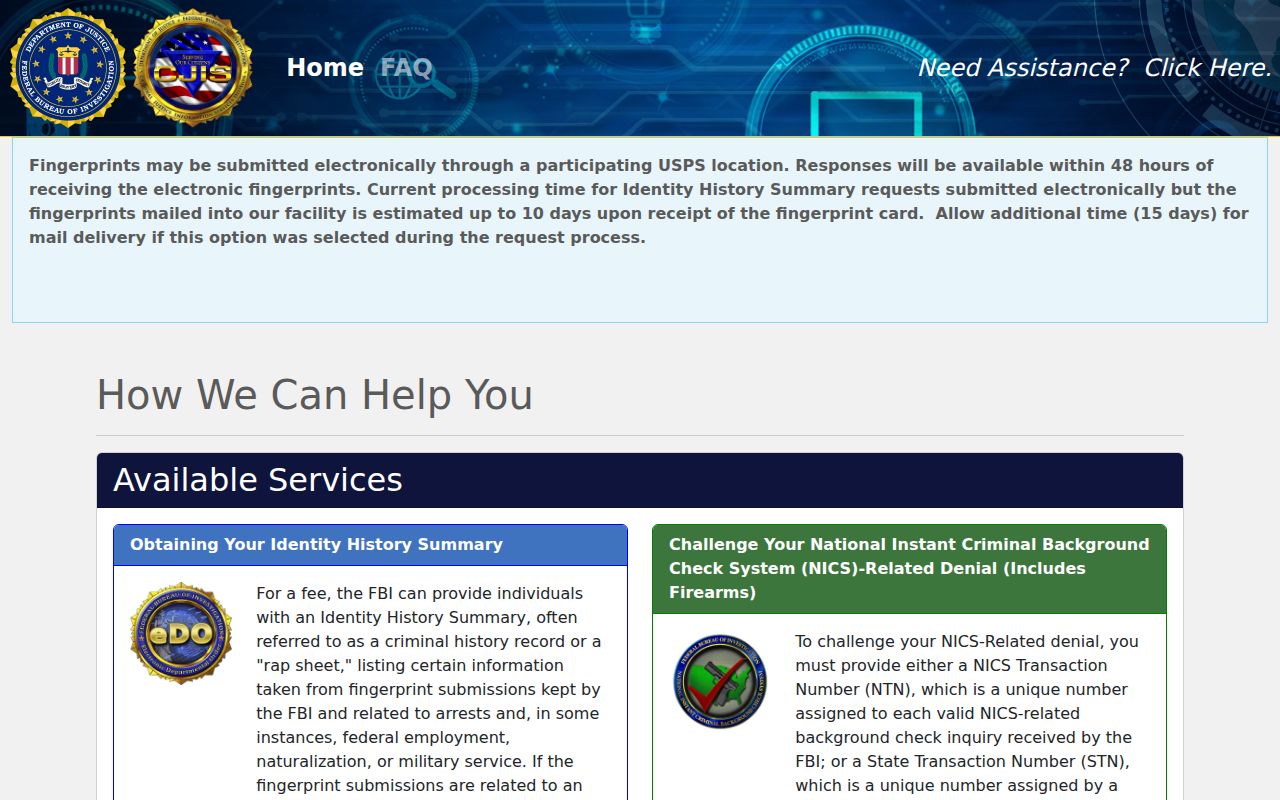
The FBI product reflects data sent to the FBI. It does not substitute for a Georgetown County clerk-certified case disposition.
PACER is the official federal court docket system for cases in the U.S. District Court for the District of South Carolina and other federal courts.
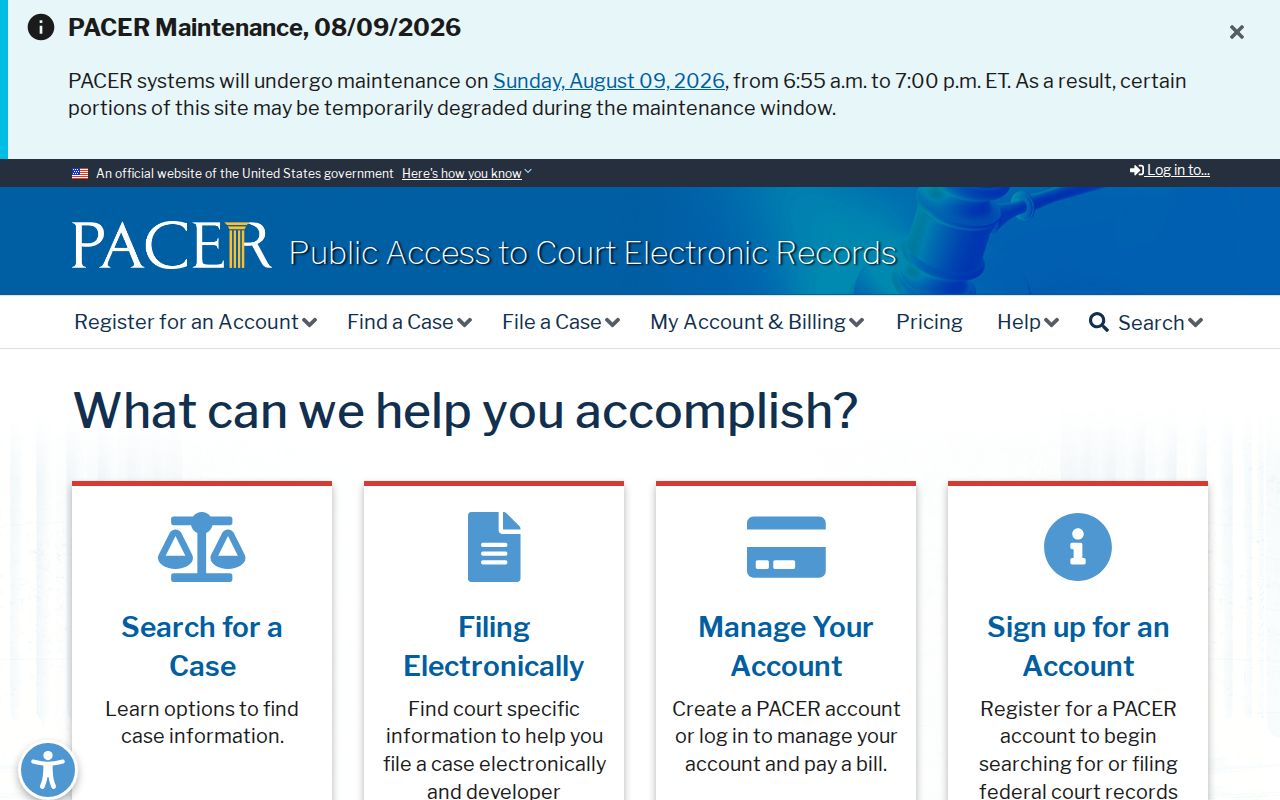
PACER requires an account and may charge usage fees. Venue should be checked rather than assumed from a Georgetown County address.
Georgetown County Criminal Records by City
Georgetown County has three incorporated municipalities. Each police department keeps the reports it creates, and each municipal court controls its own city-level files. The City of Georgetown combines police and court functions at Highmarket Street. Andrews has municipal and county summary courts at the same Morgan Avenue address. Pawleys Island uses town police, written FOIA channels, and a monthly municipal court.
Georgetown Criminal Records
2025 estimate: 8,869. City police, FOIA form, and Municipal Court routes.
Andrews Criminal Records
2020 count: 2,575. Two courts share one address, and the town crosses a county line.
Pawleys Island Criminal Records
2020 count: 130. Town police, written requests, and third-Wednesday court.
How Georgetown Arrest Data Flows
A local officer creates the incident and arrest record. Detention staff then build an intake file and collect fingerprints when required. The prosecutor decides what to charge, and the proper court records each filing, hearing, plea, disposition, and sentence. Arresting agencies and courts report qualifying events to SLED.
Record flow: Local agency › Georgetown County Detention › Prosecutor and court › SLED CJIS
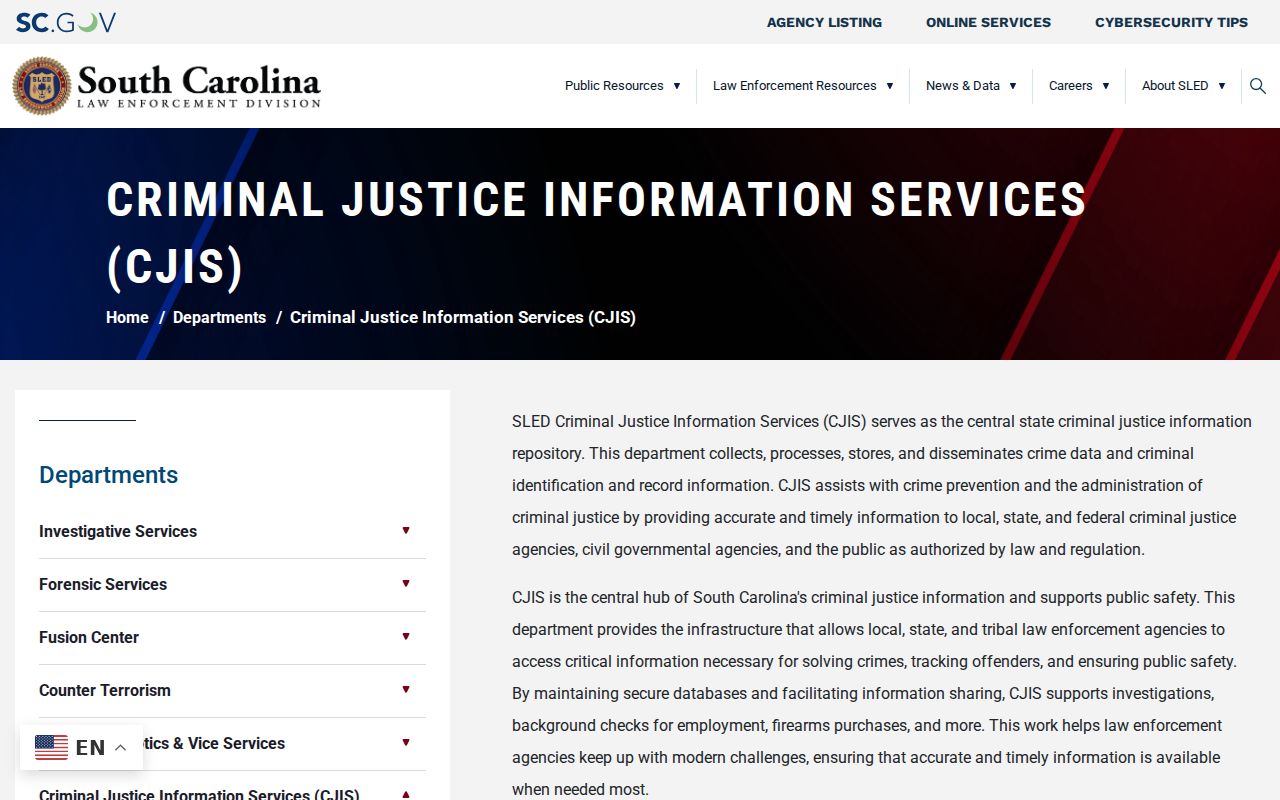
The SLED CJIS overview identifies the state unit at the far end of that reporting chain.
Timing, spelling, fingerprints, amended charges, or a missing disposition can create gaps between these sources. The office that made the inaccurate entry is the right correction starting point.